 Clear Cortex
Anyone who needs product creative in more than one setting
One product, six ways
A real shoot, start to finish: how to get six usable variants of the same product without the product changing between them, what each step costs, and the collision that nearly wasted one of the six.
20 minutes · 7 steps
Pick a subject with no text on it
An unbranded bottle, a plain bottle cap, a blank tin. The moment a label is in shot, every generation has to spell it, and most models cannot — which turns a lighting job into a typography job. If your real product carries a label, shoot it unbranded here and add the label afterwards with the Edit text tool.
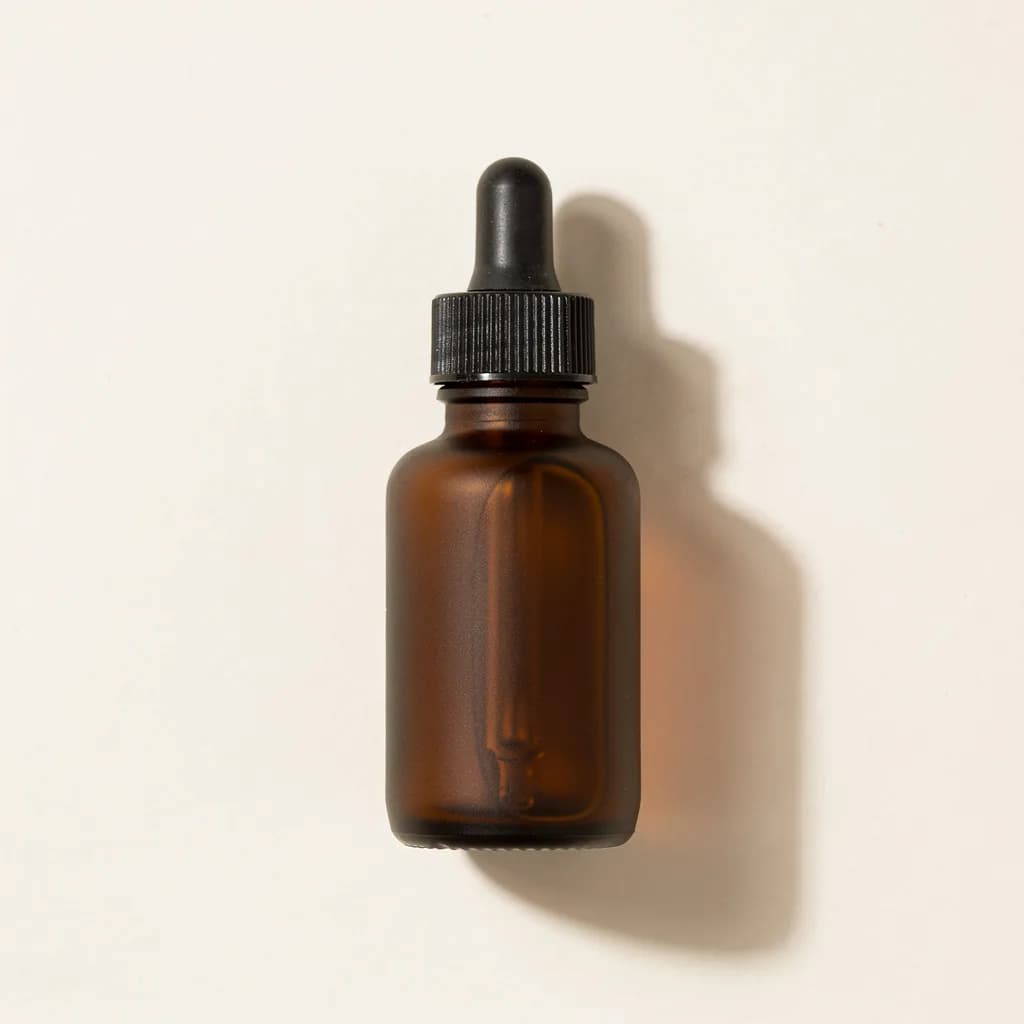
Shoot the master on the sharpest model you have
This one image becomes the reference for every other, so its detail propagates into all of them. Flux.2 Pro at 32,000 credits is the value here — half the price of Nano Banana 2, and photographic detail is the whole of its billing. Describe the light, the lens and the surface, not just the object.
Attach the master as a reference — every single time
This is the mechanism the whole playbook rests on. Without it each generation invents its own bottle: different proportions, different cap, different amber, and you end up with six products rather than one product six ways. Nano Banana 2 takes up to 14 references, which is why the variants run there rather than on Flux.
Write scenes, not products
The reference is already carrying the object, so every word you spend re-describing it is wasted. "On wet travertine, hard morning sunlight from the low left, long sharp shadow" is the whole prompt. Name the surface, the light direction, its hardness, and what the shadow does.
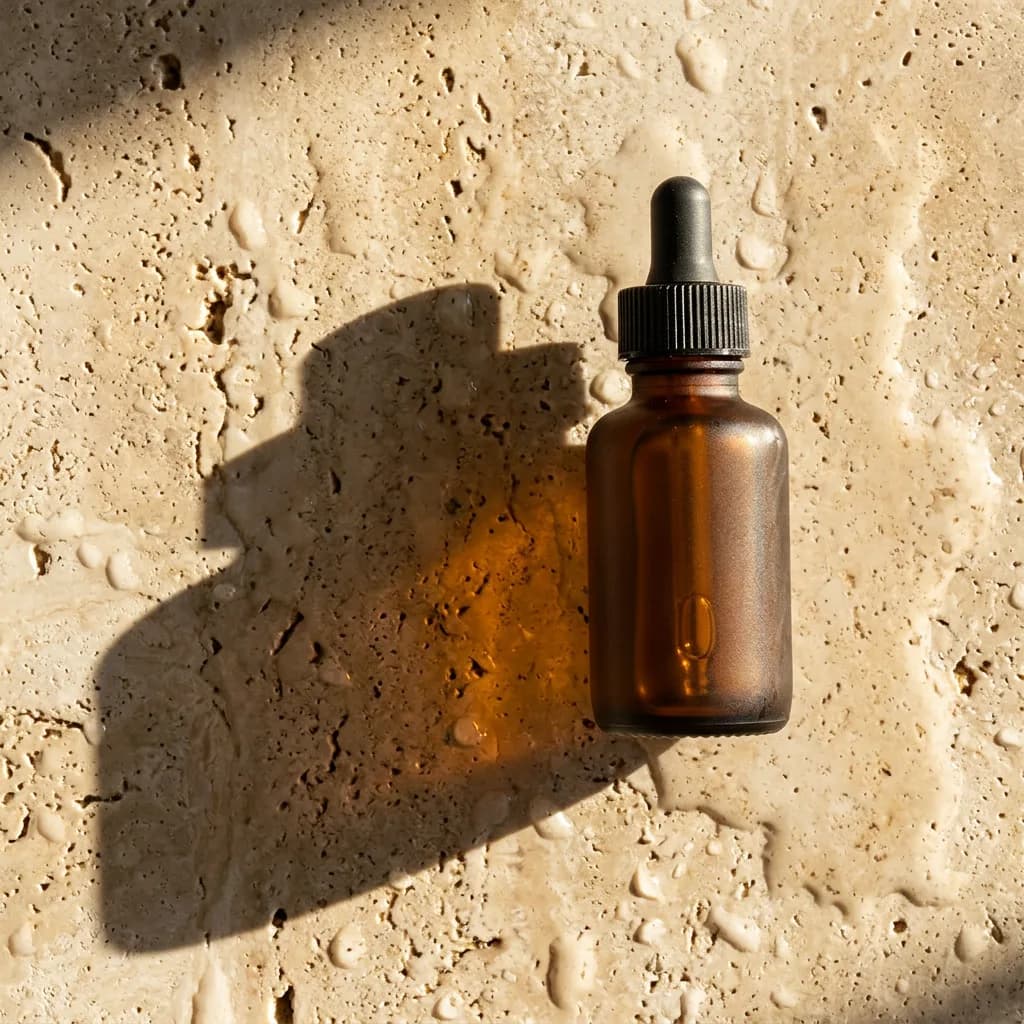
Vary the light, not the object
Six scenes that differ only in background give you six near-identical images. Make them differ in the thing that changes how the object reads: hard sun against diffuse daylight, a reflective surface against a matte one, a dark ground against a bright one. A subject with two or three materials — glass, rubber, liquid — will show every one of those changes.
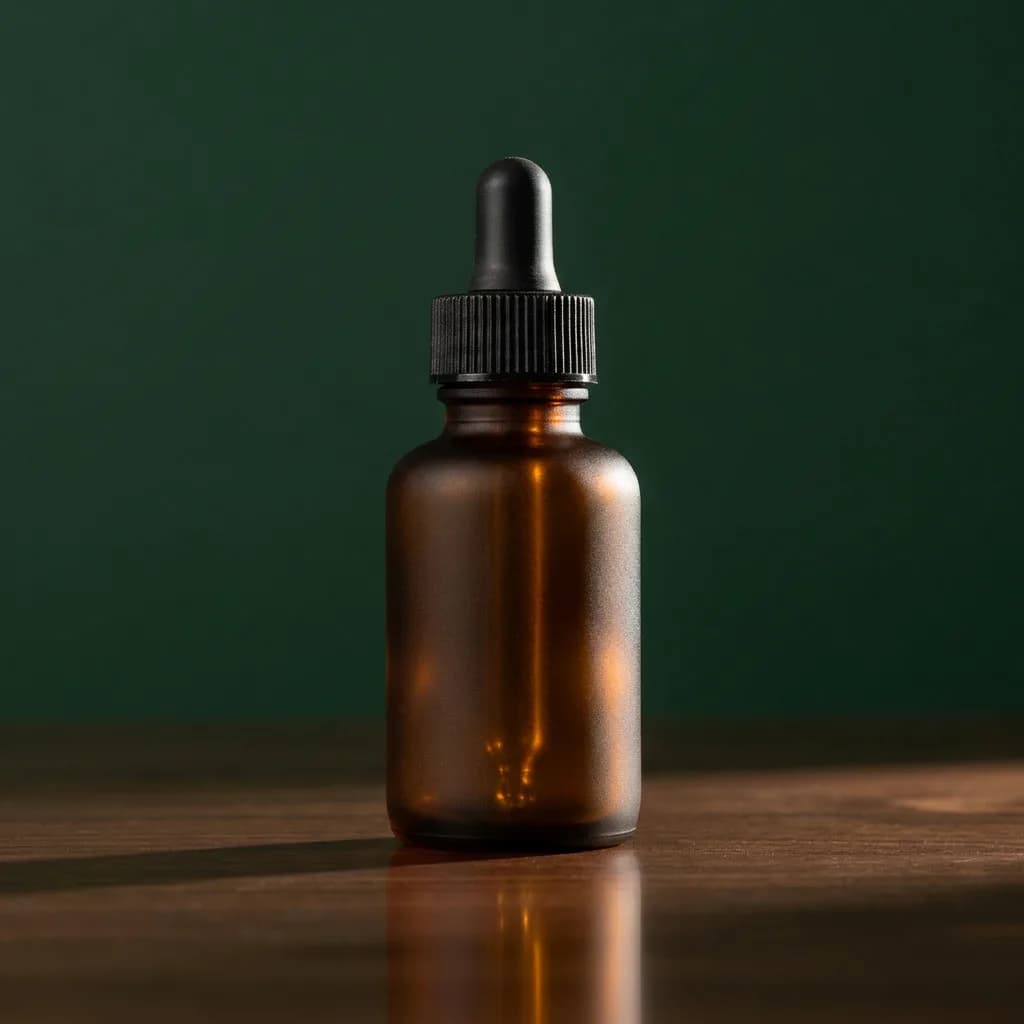
Watch for collisions, and swap rather than re-run
On the real shoot this is written from, the master came back as an overhead flat-lay when a straight-on studio shot was asked for — and one of the planned variants was also a flat-lay. Two of six would have been near-duplicates. Rewriting the variant cost nothing; re-running the master would have cost another 32,000 credits. Change the cheap end.
Count what it cost
One master at 32,000 plus five variants at 67,000 is 367,000 credits — about £3.70 for six finished, on-brand images of the same product in six settings. That is the number worth holding on to, because it is the one that decides whether you shoot two variants or twelve.
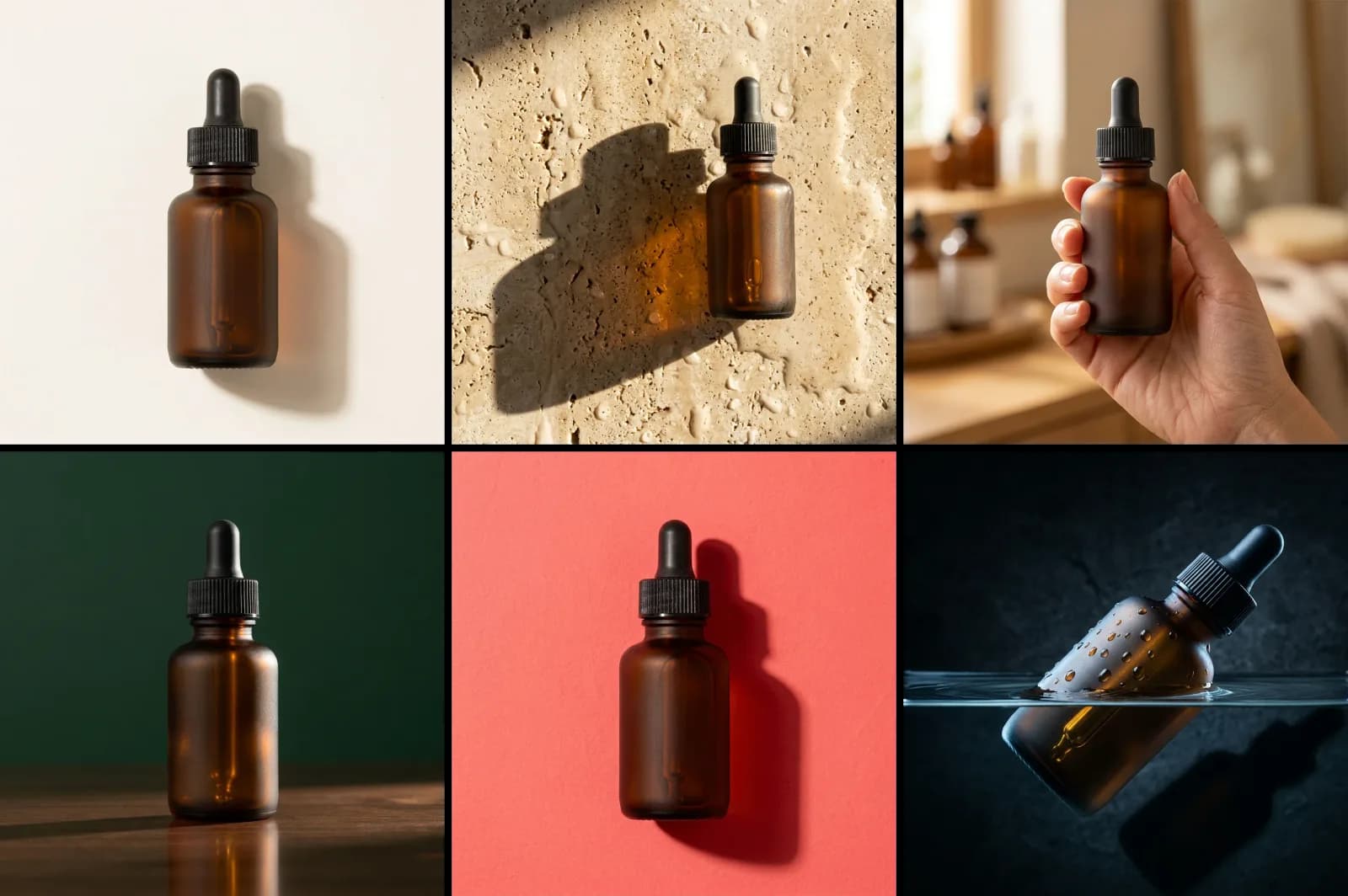
What you end up with
Six ad-ready images of one product — studio, stone, in-hand, wood, colour-block and water — recognisably the same object in every frame, for about the price of a coffee.