 Clear Cortex
Digital creator: what the job actually is, and what it pays

there are two ways to read the phrase "digital creator" and they lead to completely different places.
one is a label on an instagram profile, which is a five-second decision that changes almost nothing. the other is a job that people are doing full time, part time and badly, with a pay range spanning more than an order of magnitude for what is nominally the same deliverable. this is about the second one.
i went through what people in this work actually say about it — brand owners describing what they pay, creators describing what they charge, both describing what goes wrong — and the picture that comes out is more structured and less romantic than the way it is usually sold.
the job splits in two and nobody tells you which one you are applying for
the first fork is the one that determines everything else.
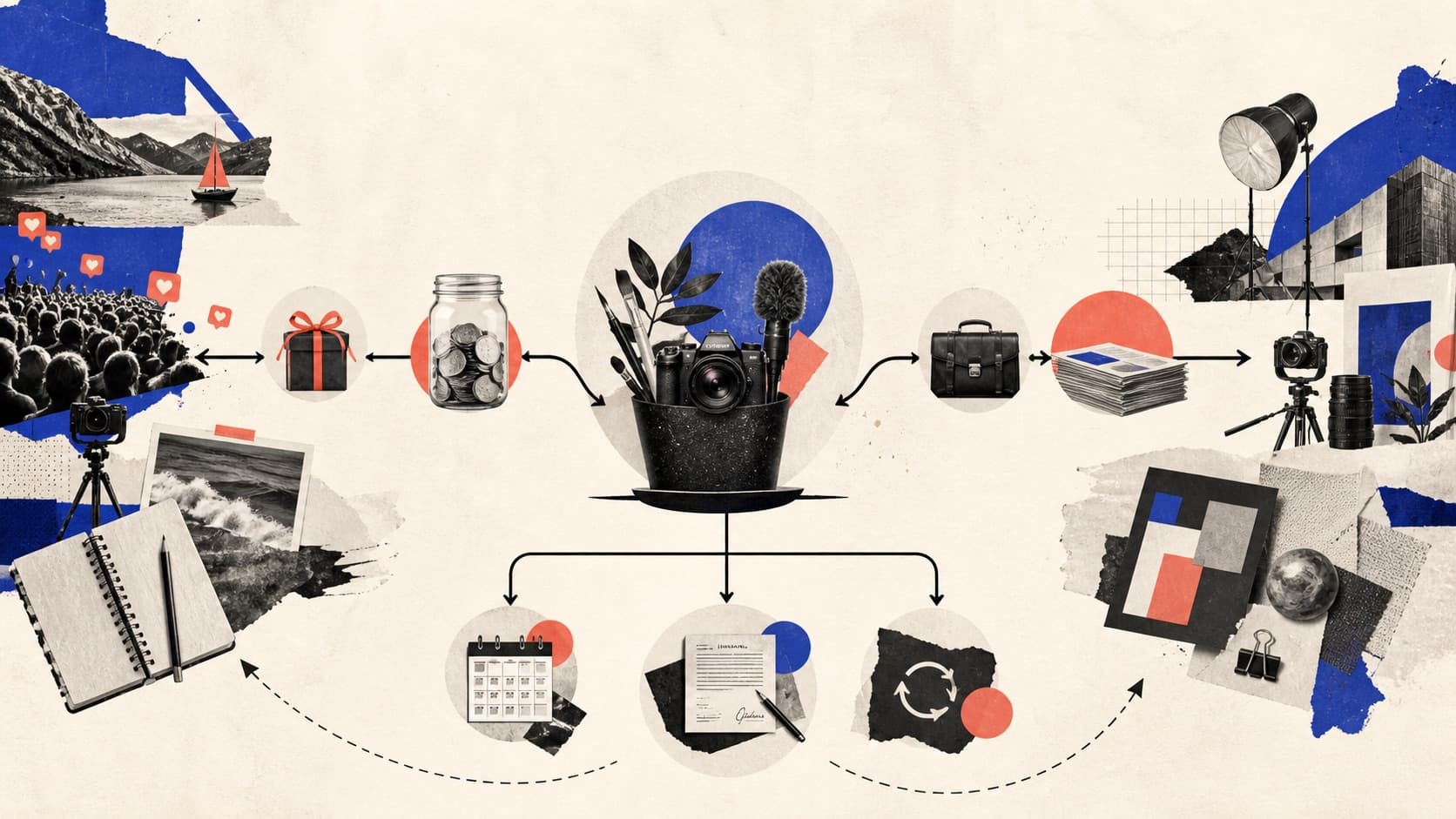
audience-side. you build a following under your own name. brands pay you because your audience is worth reaching. the asset is the audience; the content is the means. this is the version everyone pictures, it is slow, and the failure mode is spending two years building reach you never monetise.
production-side. you make content for other people's brands. they run it as an ad or post it from their own account. the asset is the file. your follower count is close to irrelevant.
the second one is where most of the accessible money is, and it is the one that gets consistently mislabelled, because it is usually called ugc — user-generated content — which is a name that actively describes something else. the content is meant to look like a customer made it. it is being produced as a commercial deliverable by someone the brand hired. as one brand-side person put it:
"everyone talks about 'authenticity,' but most of the ugc we are using is scripted, paid-for, and anything but real."
that is not a criticism, it is a specification. the format's value is that it does not look like an ad. understanding that is what separates people who get rebooked from people who deliver something glossy and never hear back.
the practical consequence of the fork is this: on the production side you do not need an audience to start. that removes the chicken-and-egg problem that stops most people, and it is the single most useful structural fact in this whole area.
what it pays, with actual numbers
everyone quoting rates has an incentive. so here is a spread of what people said they paid or were paid, in their own words, from both sides of the table.
at the low end, platforms recruiting in bulk:
"we're looking for ugc creators to make short, authentic videos… paying $20 to $30 per approved post / video."
"instead of $150+, just for one video, we offer 100+ dedicated ugc creators that will post for $20/video."
in the middle, individual brand owners buying directly:
"ugc has been a staple of my creative strategy for a while, and i've been paying creators anywhere from $150 to $400 per video depending on the niche."
"most founders running app ads start from a blank page — staring at an editor, guessing a hook, paying a creator $200 a video to guess with them."
recurring arrangements, which is where it starts resembling income rather than gigs:
"$600 base fee + uncapped view bonus that can quickly get you to $1,500+/month (our average creator payout)."
"i was able to land 2-3 active brand projects at the same time, each paying close to $2k per project."
and at the agency layer, what brands pay when they stop buying videos individually:
"for a while we paid a ugc agency around 4k a month for maybe 12 to 15 videos."
"platforms in the middle: $1,800 to $4,500/mo for the same 12 assets, depending on creator tier, exclusivity window, and whether eu-based talent is in the pool."
"full-service agency in ny: $14,200/mo, 6 month minimum, strategy deck i didn't ask for, account manager juggling 11 other brands."
so: twenty dollars to four hundred dollars for one video, and roughly two thousand to fourteen thousand a month for the same twelve-ish assets depending entirely on who is standing between the brand and the creator.
that spread is the actual subject. it is not explained by talent.
the three things that explain the spread
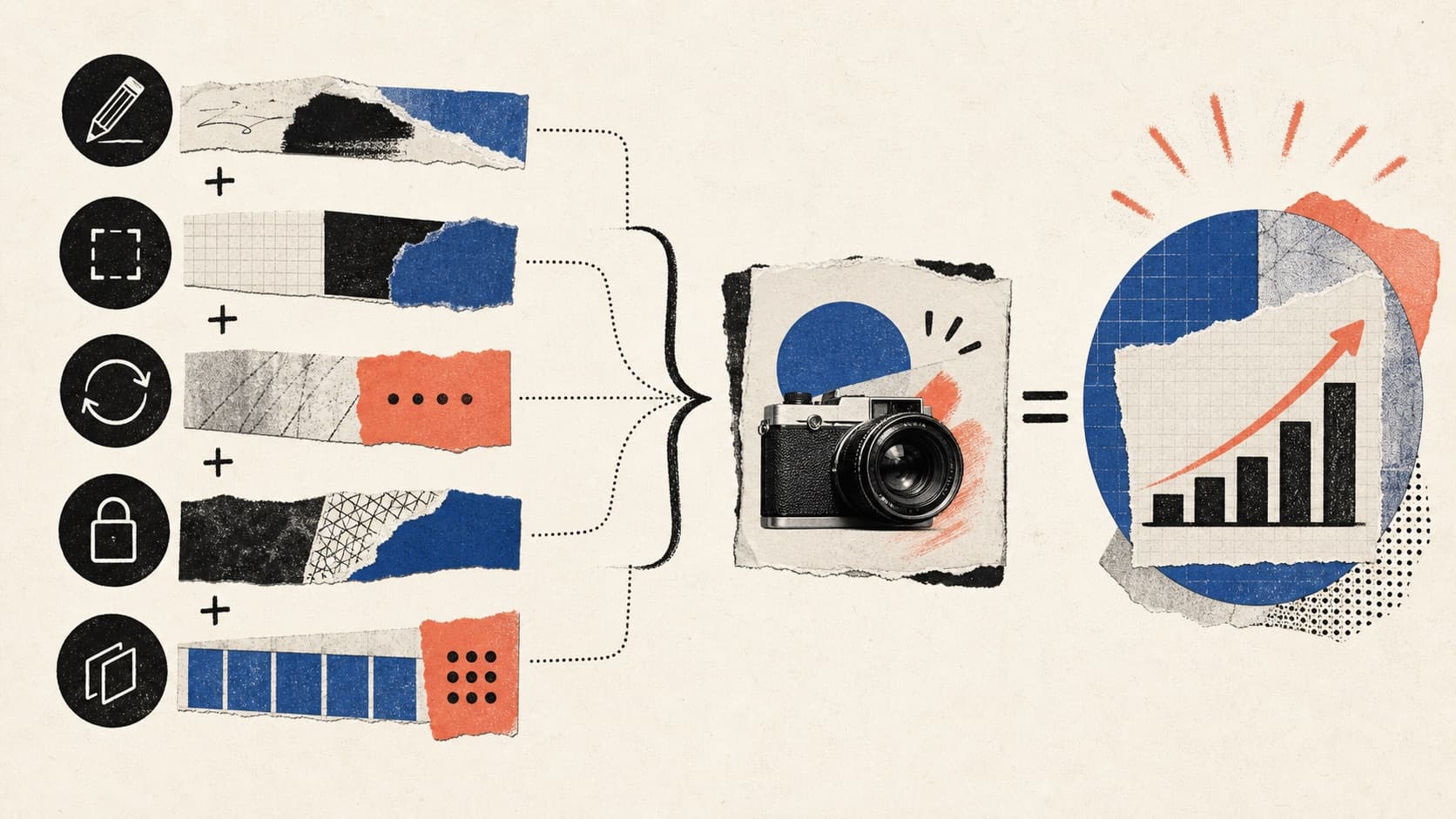
usage rights. this is the largest lever and the one beginners hand over for free. there is a real difference between a brand posting your video to their own feed and a brand running it as a paid ad against media spend for a year. one creator described walking into it:
"i recently completed a ugc video for a skincare brand and they have come back asking to use it in their paid ads on meta and linkedin for the next 12 months."
"this is the first time a brand has asked me for usage rights and i have no idea what to charge."
and someone further along describing how it is priced:
"paid ads or whitelisting hidden in an organic rate. if they can run your content as a paid ad, that's +30 to 50% on top of the base for a short window."
if you quote a flat per-video price and the brand runs it as their main creative for a year, you sold a year of media leverage for the price of an afternoon. this is where the money is, and it is entirely a contracting question rather than a creative one.
scope. "one video" is not one thing. it can be a single unedited talking head, or it can be scripting, three hooks, b-roll, captions and two rounds of revisions. from the hiring side:
"one brand may want a simple 30-second talking head video with no editing, no raw footage, no paid usage, and no complicated scenes."
and what happens when the brief exceeds what was priced:
"so the creator either fakes it badly, spends six hours on it, or quietly ignores that beat and you get something that doesn't match what you paid for."
that is a scoping failure and both parties lose. the fix is boring and it works: itemise the deliverable before quoting, and price revisions separately.
whether you are a supplier or a partner. the twenty-dollar-per-post market and the two-thousand-per-project market are not the same market and you cannot climb from one to the other by getting better at filming. the difference is whether the brand thinks of you as capacity or as judgement.
the part that actually decides whether you get rebooked
here is the thing that runs underneath all of it, and it is not about production quality.
brands run a lot of creative because most creative does not work. you are looking for a winner and winners are rare, so you need volume to find one. that is the entire economic reason this job exists. a brand owner, on what that feels like from their side:
"one creator's first video looked like an 18x win, i paid for a second, and it did absolutely nothing."
and another, on the same problem at agency scale:
"half of them never beat the control and you're basically paying for swings."
read those two lines together and you have the client's real anxiety. they are not worried about whether your video looks good. they are worried they are buying lottery tickets. so the creator who gets rebooked is not the one with the best lighting — it is the one who makes the brand feel like they are buying deliberate attempts rather than random ones.
which in practice means being able to say what each video is for. this angle answers this objection. this hook is aimed at this buyer at this moment. that framing costs you nothing to produce and it changes what you are selling from a file into a hypothesis, and hypotheses can be evaluated, which means they can be repeated.
what ai did to this, honestly
impossible to leave out, so let's be plain about it.
the cost of producing a variation has collapsed. a brand owner, in the bluntest available terms:
"why would i pay a creator $300 when i can pay ai less than $5 to create the same lie."
and someone selling the arithmetic:
"ultra realistic ugc video made with omni flash + nano banana lite for $5."
that is real and it is not going away. but the same pool of people are also saying this, from someone who inherited accounts run that way:
"taking over ad accounts from people who are touting ai ugc is always pretty hysterical, because you see how shitty a job they actually do when it comes to performance."
and this, which is the most balanced line in the whole set:
"hate to break it to you but ai ugc done right passes most avg persons filter as real. that being said, talking head real ugc still converts better."
and the pragmatic version, from someone using both:
"i use this to validate a format and once i find a good one, i get human ugcs to produce it at scale without risking wasting a bunch of money."
that last one is the shape of it. cheap generation is good at finding the angle. the thing that converts is still, on current evidence, more often the real one. so the workflow that survives is: generate cheaply to figure out what to say, then invest in saying it properly.
what this means for a digital creator is uncomfortable but not fatal. if what you sell is "i can produce a video", the floor under that price has dropped and it is going to keep dropping. if what you sell is "i know which video to make for your buyer, and here is why", nothing has happened to you — that was always the valuable half, it was just bundled with labour that made it look like a production service.
how it actually goes wrong
three failure modes come up repeatedly, all worth naming.
the advice loop. most of the free instruction in this area exists to sell paid instruction. two creators, unprompted:
"i feel like watching videos on youtube are useless info that just lead to creators to their paid lessons"
"tired of the 'just pay a ugc creator' advice with no numbers attached"
the tell is always whether there is a number in it. advice without a number is usually a funnel.
unpaid trial work. it is common and it is worth being suspicious of:
"has anyone else worked with kiwi ai / viraly / blackboard studio and had a similar experience regarding unpaid trial content?"
a paid test at a reduced rate is a normal thing to agree to. free content for a company already running ads is not a test, it is procurement.
getting paid at all. boring, real, and mostly unglamorous:
"i'm from canada and when it was time to pay the creators i would send them the agreed upon price in cad and i ran into some issue especially with creators in the us."
"do you find it hard to track payments from multiple brands and agencies before filing your itr?"
nobody covers this in the courses and it is a meaningful share of the actual working week.
if you are starting
the questions beginners ask are consistently not about craft:
"i'm new to ugc and trying to figure out the best way to get my first paid clients."
"what helped you get your first ugc client?"
"do brands usually send free samples to new creators, or do you have to reach out to them first?"
"in the big year of 2026 where everyone literally is trying to become a creator like you, how do you stand out?"
the answer to the last one falls out of everything above. you do not stand out on production quality, because that is where competition is fiercest and where the price floor is falling. you stand out by being specific — a buyer, an objection, a claim you think will work and a reason. that is a positioning problem, not a filming problem, and it is the reason two people delivering the same nominal thirty-second video can be paid twenty dollars and four hundred dollars for it.
the short version
- the job splits into audience-side and production-side, and only one of them requires an audience to start
- the pay range for one video is roughly $20 to $400, and the spread is explained by usage rights, scope, and whether you read as capacity or as judgement
- usage rights are the biggest single lever and the one most often given away by accident
- brands are buying attempts at finding a winner, so the creator who frames each piece as a deliberate attempt gets rebooked
- ai has collapsed the price of production and left the price of judgement alone
none of that is advice about lighting, and that is the point.